

Cutting using a plasma cutter may first seem to be a challenging task, but with some training and experience, you will easily be able to make cuts that are clean and accurate. In this article, we will go over the fundamentals of how to use a plasma cutter, as well as give some helpful hints and suggestions for getting started with the hobby. Continue reading if you want to find out more!
Preparation for Using a Plasma Cutter
There are various variables you should consider before utilizing a plasma cutter to ensure a safe and effective cut.
- To begin, decide the thickness of the material you’re cutting. Plasma cutters can slice through materials up to an inch thick. If you’re cutting through heavier material, you may need to make many passes or create a deeper cut.
- Then, for your plasma cutter, choose the suitable cutting tip. The thickness of the material you’re cutting will influence the size of the tip.
- Another key consideration is the pace at which you will be cutting. The amperage of your plasma cutter will affect the speed of the cut.
- Finally, be certain that you have a clean, flat area on which to operate. A crowded or uneven surface might make producing a clean cut difficult.
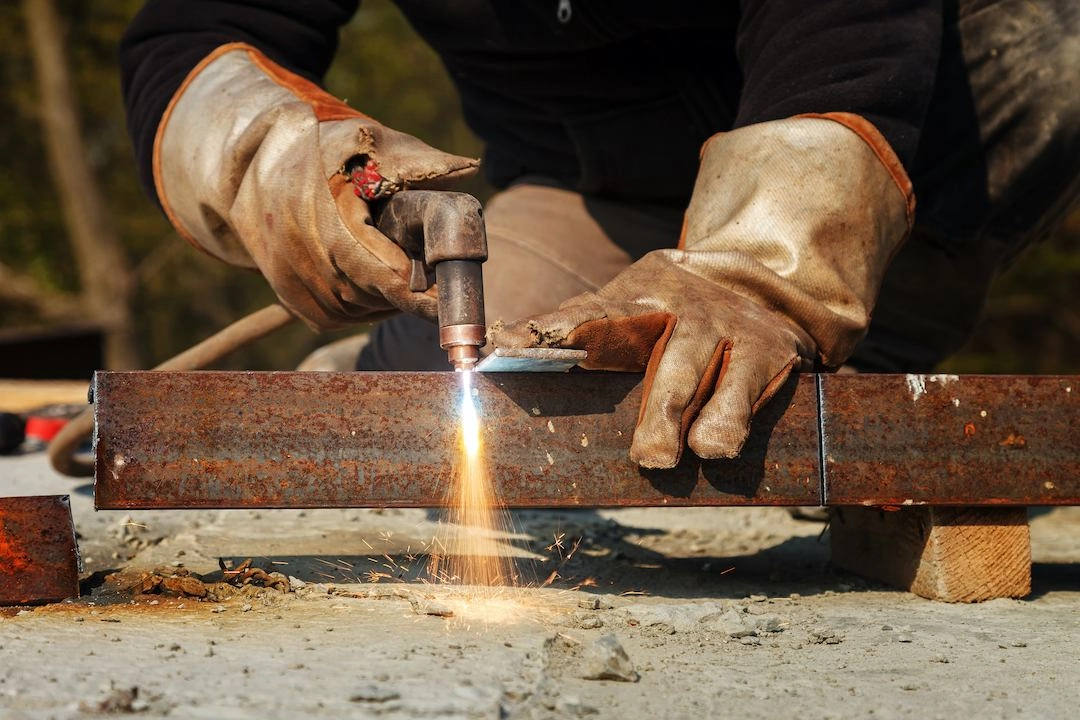
How to Operate a Plasma Cutter: Step by Step!
In the subsequent chapters, we will go methodically through the process of learning how to use a plasma cutter. We are going to proceed with the next stages on the assumption that you have previously organized your working environment and chosen the proper cutting tip for the task at hand.
Choosing a workplace
The first thing you need to do is choose a location for your new job. It needs to be a spot where there is no wind, and the temperature shouldn’t be either very hot or excessively cold.
Plug-In Device
The next step is to connect your device. Turn on the power switch and set your amperage after it’s plugged in. Consult your plasma cutter’s handbook if you’re unclear on how to adjust the amperage. The majority of plasma cutters offer an automated or semi-automatic mode. If you choose a manual setting, you must hold down the trigger to initiate the flow of plasma.
Attach the Air Hose
- After turning on the power, you must connect the air hose to the plasma cutter. The air compressor should be attached to the hose’s opposite end.
- If you’re using a portable air compressor, ensure sure it’s securely secured before starting.
- If you’re using a conventional shop air compressor, connect the hose to the compressor’s output. Turn on the air compressor and adjust the pressure after the hose is attached.
- The amount of pressure required will vary depending on the manufacturer of your plasma cutter. Most cutters, however, need between 60 and 80 PSI.
- If you’re not sure how much pressure to apply, examine the handbook for your plasma cutter.
- You’re ready to start cutting after the air compressor is switched on and adjusted to the proper pressure.
- After turning on the air compressor and adjusting the pressure, you’re ready to start cutting!
Adjust the current
It is now time to adjust the current. The amount of current required will depend on the thickness of the material being sliced. Consult your plasma cutter’s handbook if you’re unclear how to adjust the amperage.
Cut the Metal
It is now time to start the cutting process! To get started, all you need to do is push the trigger on your cutter. In order for you to continue cutting, you will need to maintain pressure on the trigger.
- If you are using a drag tip, it is imperative that you maintain constant contact between the drag tip and the surface of the material you are cutting.
- If you are using a push tip, it is imperative that you maintain a distance of about one inch between the tip and the surface of the material that you are cutting.
- You’ll need to make adjustments to both your speed and the pressure that you’re applying as you run the cutter over the surface of the material.
- When you are cutting through material that is more substantial, you could find that you need to work at a slower pace in order to avoid the tip from being overloaded.
- You may also alter the depth of the cut by bringing the tip closer or farther away from the surface of the material. This allows you to vary the amount of material that is removed.
When you are through cutting, all you need to do is let off of the trigger and give the cutter some time to cool down.
Switch off the device
It is important that the cutting equipment be turned off after you have completed your work. The majority of plasma cutters are equipped with an on/off switch that is simple to use.
After the power has been turned off, you will be able to remove the ground clamp and put your cutter away.
Unplug the Ground Clamp
The last procedure is to remove the plug from the ground clamp. You are free to put away your cutter as soon as the ground clamp has been disengaged.
Turn off the air and Wind Up Every Hose
When you’re through using the plasma cutter, be sure you switch off the air and wind up all of the hoses. This will assist to keep your desk clean and avoid mishaps. You’ll be able to operate a plasma cutter like an expert with a little practice! These pointers should get you started but always refer to your cutter’s handbook for exact instructions.
You’re ready to start cutting now that you understand the fundamentals of using a plasma cutter. With a little experience, you’ll be able to easily create clean, accurate cuts.
Contact Metal Ready!
Contact Metal Ready now for additional information on how to use a plasma cutter or for assistance in selecting the correct cutter for your project. Our skilled staff will be delighted to help you. Metal ready is the ideal location for all of your metalworking requirements!
We hope you found this blog article informative. If you have any questions, please contact us right away. We are always willing to assist. Thank you for your time.
